
Hantavirus Sparks Questions About Potential Pandemic
by Diego Rodriguez Deshon & Yamil Risi
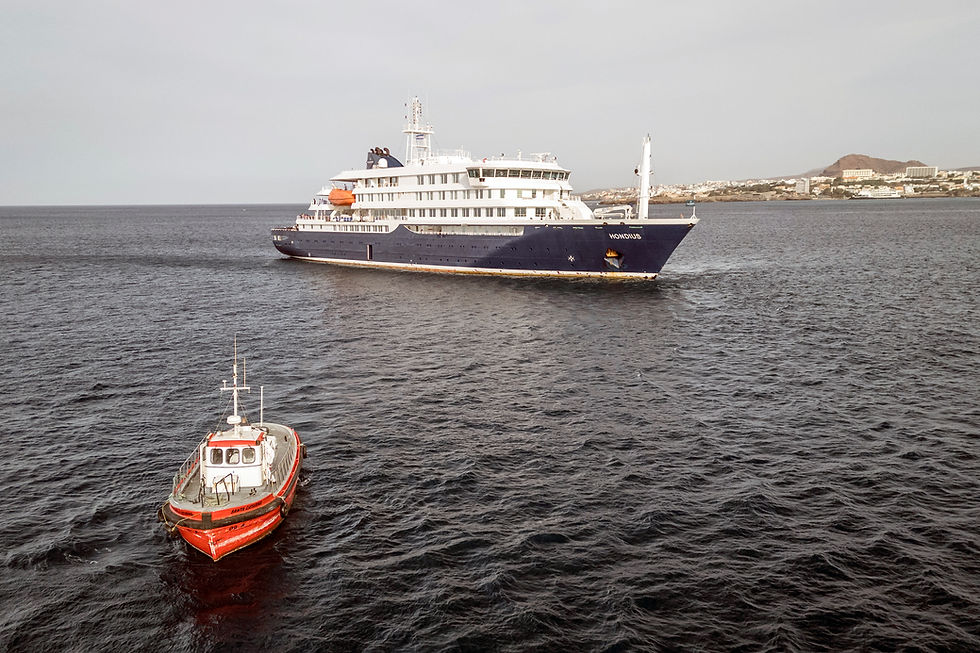
On May 2, a hantavirus outbreak was reported to the World Health Organization (WHO) aboard the Dutch Cruise ship MV Hondirus, off the Canary Islands.
A month earlier, on April 1st, the cruise ship departed from Argentina on a South America Expedition. The virus identified on the cruise was the Andes virus, a type of hantavirus found in South America.
Later on April 6, a 70-year-old Dutch passenger reported symptoms such as fever, headache and diarrhea, which eventually led to the passenger's passing.
The spreading of the virus was mostly caused by passengers and crew members leaving the Hondius before the outbreak was understood.
What is Hantavirus?
Hantavirus is a family of viruses carried mostly by wild rodents. Humans most commonly become infected when they breathe in tiny particles from rodent urine, droppings or saliva.
It can cause symptoms affecting the lungs or kidneys, depending on the type of virus.
In the Americas, hantavirus can cause hantavirus pulmonary syndrome. This causes flu-like symptoms such as fever, tiredness, and muscle aches, which can also lead to coughing and difficulty breathing.
What makes this Andes virus unique from other types of hantaviruses is its ability to
sometimes spread from human to human, while most hantaviruses spread only from rodents to humans.
This made the MV Hondius outbreak especially concerning, since the people on the cruise ship were in close contact for many days.
The New Covid-19?
The Hantavirus, as we know it, could very well be the next COVID-19, or just another deadly virus that causes global panic without immense destruction to the global population.
COVID-19 definitely started out similar to how the Hantavirus is going right now. People are freaked out by the various videos online; some are shaking it off as just another disease with no real threat, and some are even preparing for a global pandemic by buying extra toilet paper.
The Hantavirus could definitely make students become more anxious, just like how early 2020 COVID-19 made many terrified.
“I think the Hantavirus could affect students’ mental health just like the same way early COVID-19 did in 2019,” junior Carlos Cosio said.
How would schools handle one of these situations if this really spread globally like COVID? This would be another nightmare for school systems, not just here in the U.S., but also in every other country.
The only positive is that the school system is heavily reliant on technology, and to add to the experience the schools have had with Covid 19, the education system is more prepared.
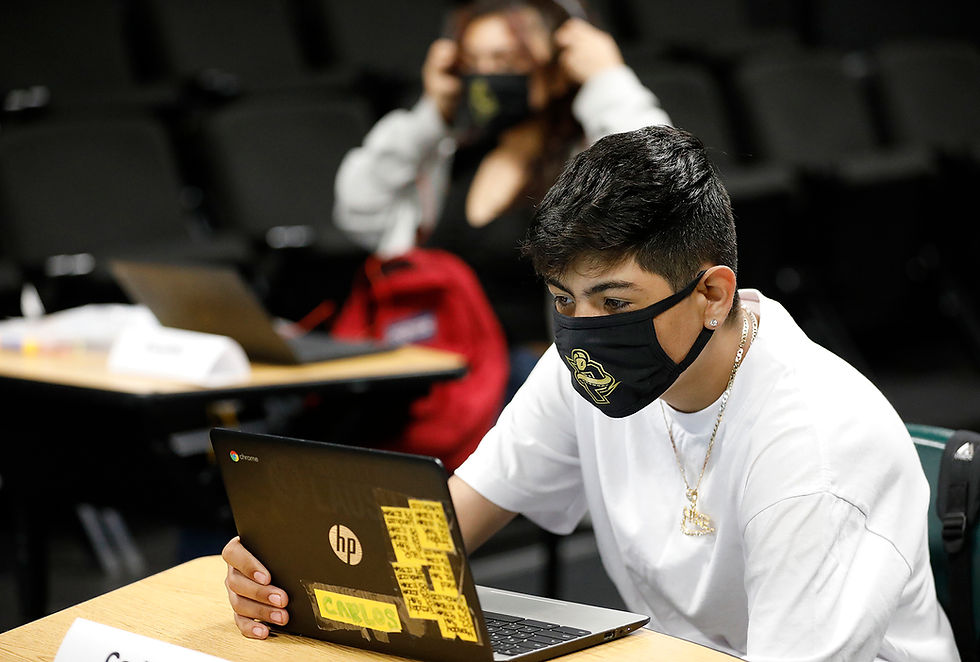
“It can cause extra precautions so a pandemic like COVID doesn’t happen again. Similar procedures to COVID will be followed to prevent it,” sophomore Diego Docarmo said.
Global diseases, such as Hantavirus, could make students more anxious about the future, especially as they work to complement their studies.
“I believe that the Hantavirus could make students more anxious about the future, especially when they are already worried about school,” junior Eduardo Gutierrez said.
While some students focus on the stress these outbreaks create, others believe that awareness could actually lead to better prevention.
“I would say yes, because if we were all aware of these diseases, people would take precautions,” junior Jay Hernandez said.


Comments